Tramp Oil, Fine Metal, and What a Filter Actually Does for You
A filter and a skimmer solve two different problems, and a lot of shops find that out after buying the wrong one first.
September 3, 2026 · 4 min read
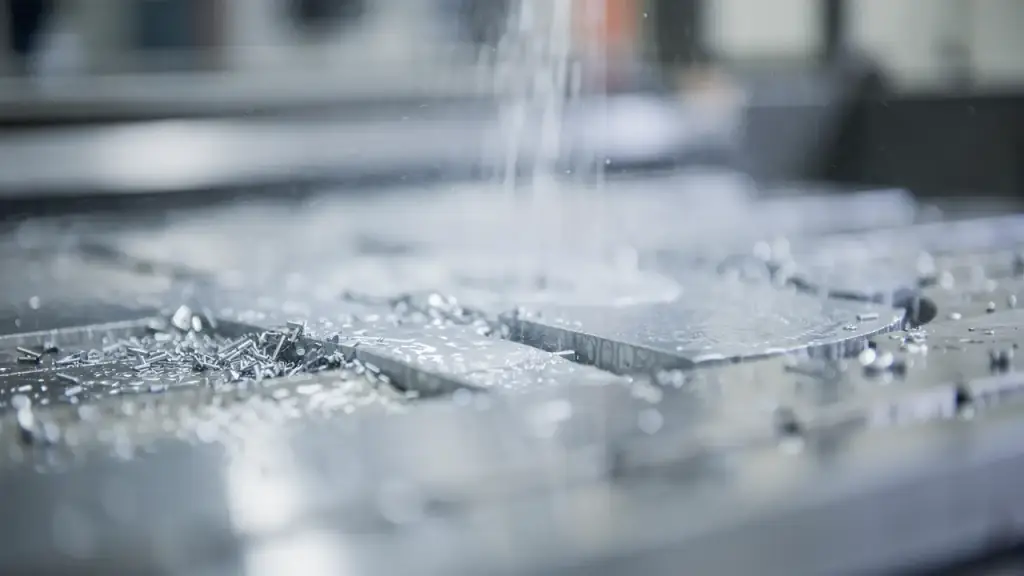
A filter and a skimmer solve two different problems, and a lot of shops find that out the hard way, after they've already bought one expecting it to do the other's job. It's worth being clear about which is which before you spend money on either.
What a filter is actually removing
A filter's job is solid particles. Dirt and fine metal fines suspended in the coolant are exactly what a properly sized filter is built to pull out, and it matters more than it sounds like it should. Those particles drag coolant effectiveness down on their own, and they give bacteria something solid to colonize and hide inside, which makes the biological side of sump maintenance harder even before you get to testing and dosing. BioTech works with customers to match a filter to what a given sump actually needs, rather than selling one size for every application.
That's a real, measurable improvement, and it's the piece a filter genuinely does well. Where it stops is oil.
Where filtration stops
Tramp oil, the hydraulic and way lubricants that leak or drip into a sump from the machine itself, is not a solid particle, and a filter built to catch dirt and metal fines does not remove it. This is worth saying plainly because it's easy to assume a filter covers everything floating in the fluid. It doesn't. Getting oil back out of a sump is a separate job, usually handled by skimming rather than filtration, and it comes with its own real limitation: skimming needs access to the top of the sump, where oil floats, and a lot of freestanding machines and self-contained reservoirs simply aren't built that way. If the top of your sump isn't reachable, skimming isn't an option regardless of what equipment you buy.
BioTech doesn't make skimmers, and says so plainly rather than trying to sell something adjacent that doesn't quite fit. What they do instead is evaluate the actual sump and machine and recommend an appropriate piece of equipment from another manufacturer if skimming is realistic for your setup. That's a smaller claim than solving your oil problem outright, and it's also the honest one.
Why the oil matters even though the filter can't touch it
Tramp oil left in a sump does the same broad category of damage that dirt and fine metal do, just by a different mechanism. It coats surfaces, it can interfere with the fluid's ability to exchange oxygen at the surface, and it gives certain organisms exactly the kind of food source that keeps a bloom going even after a filter and a dose of stabilizer have done their job on everything else. A sump can be well filtered and still be fighting a losing battle if tramp oil is accumulating unchecked.
This is why a real maintenance program treats filtration, tramp oil removal, and biological control as three separate jobs rather than one product doing all three. A filter that's working perfectly can still leave you with an oily, oxygen-starved sump if nothing is addressing the oil. A biocide or stabilizer program can be dosed correctly and still lose ground if solid particles are giving organisms a place to colonize that the chemistry can't reach.
What that means for your specific machine
The honest answer to whether a filter fixes your sump depends on what's actually wrong with it. If the problem is dirt, fine metal, and the microbial growth that particles like that encourage, a properly matched filter is a real fix. If the problem is oil accumulating on top, no filter changes that, and the question becomes whether your machine even gives you the top-of-sump access skimming requires. Knowing which problem you actually have, before spending money assuming a filter solves both, is the whole point of getting the sump evaluated rather than guessing.
Where the oil is actually coming from
Tramp oil rarely arrives all at once. It accumulates from way lube seeping past worn seals, hydraulic fluid weeping from a fitting that isn't leaking badly enough to fix yet, and general lubricant carried in on the parts themselves. None of those sources shows up as a single obvious leak most shops would catch and repair on sight. That's exactly why it builds up quietly in a sump for months before anyone traces the smell or the surface film back to where it came from, and why it's worth checking for even when nothing on the machine looks like it's actively dripping.
That slow, multi-source accumulation is also why a one-time cleanout doesn't hold. If the seals, fittings, and general oil sources on the machine haven't changed, tramp oil starts rebuilding in the sump the day after a cleanout, on the same schedule it built up the first time. Evaluating whether skimming is realistic for a given machine is worth doing once and revisiting, not something to assume is settled forever after the first conversation.
BioTech International, Inc., (281) 750-1881
Call (281) 750-1881More articles
Why Your Coolant Smells by Monday Morning
The smell you notice on Monday started days earlier. The weekend just gave it room to finish.
Activity vs Counts: What a Plate Count Actually Tells You
Two shops running the same coolant can get two different answers depending on which test they ran, and neither one is wrong.