What Zero Waste Actually Means for a Coolant Sump
It isn't a product you buy. It's four maintenance tasks working together for long enough that dumping the sump stops being the only option.
September 3, 2026 · 3 min read
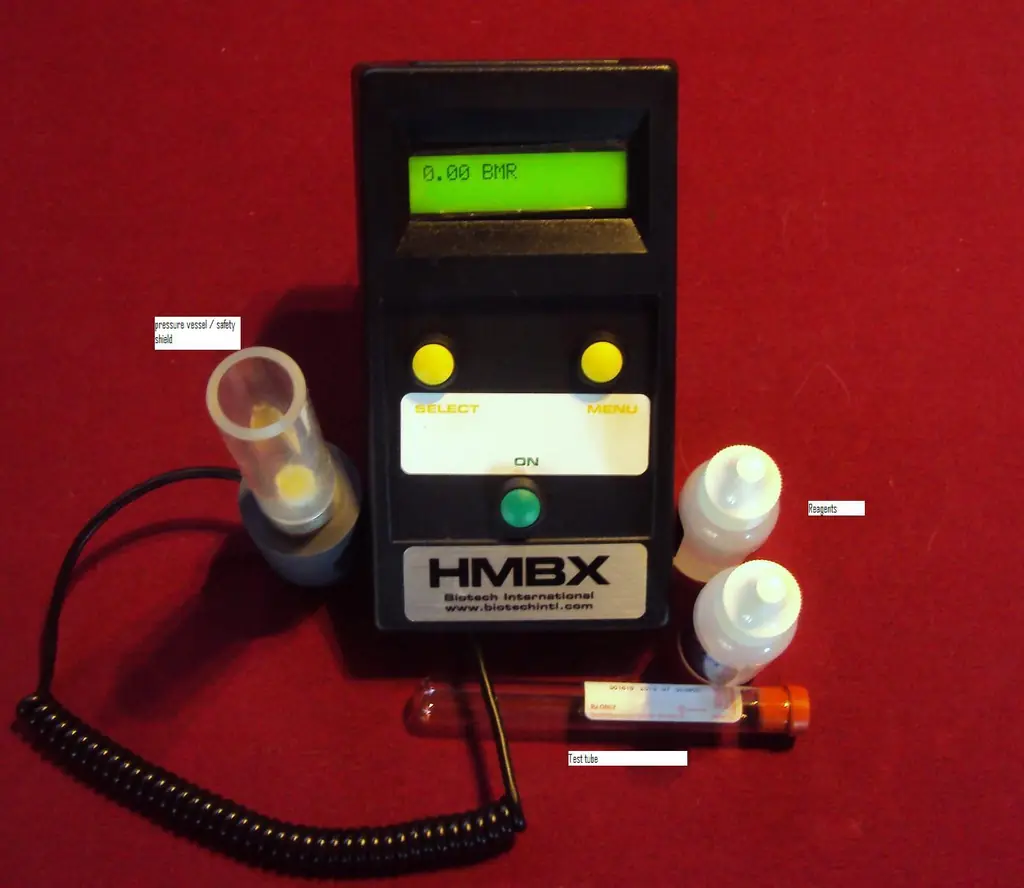
"Zero waste" gets used loosely enough in industrial maintenance that it's worth pinning down what it actually requires before you expect it from your own sump. It isn't a product you buy. It's four things happening together, consistently, over a long enough period that fluid life stops being the thing that decides when you have to dump a sump.
The four pieces, not one
BioTech's own description of the program names it directly: testing, filtering, removing tramp oil, and using a non-biocidal stabilizer, run together rather than as separate, occasional maintenance tasks. Drop any one of the four and the others have to work harder to compensate, and eventually they can't. A sump that's stabilized but never filtered still accumulates the solid particles that give organisms somewhere to hide. A sump that's filtered but never tested is being maintained blind, with no way to know the biological load is climbing until it's already a problem.
The testing piece specifically means testing often enough to catch a climb early, which is the reason a fifteen-minute reading matters more than it might seem on paper. A maintenance schedule built around a test that takes one to three days to come back naturally gets used less often, because nobody wants to run a three-day test twice a week. A fifteen-minute reading removes that constraint, and removing the constraint is what makes testing regularly something a program can actually do rather than something it aspires to.
What this doesn't mean
It's worth being clear about what a program like this isn't. BioTech doesn't sell coolant. What they maintain instead is a working knowledge of the coolant brands and formulations already in use across the shops they work with, which lets them advise on which fluid suits a given application rather than pushing their own product into it. The stabilizer, filtration, and testing program is built to work with virtually any coolant already in your tanks, not to replace it with something proprietary.
What it looks like when it works
When testing, filtering, tramp oil removal, and stabilization are all running together, the fluid stops degrading on the schedule most shops have come to expect. Odor doesn't build the way it does in a sump running on biocide alone. Corrosion and the reduced tool life that comes with a contaminated sump both track back to the same biological load this program is built to control. And because the stabilizer approach avoids the bloom-and-crash cycle a biocide program runs on, there's no repeated crisis point forcing a decision to dump the fluid and start over.
- Fewer rancid-sump incidents to react to
- Less labor spent on emergency dosing and dumps
- Longer service life out of tooling running in cleaner fluid
- Fewer disposal events, and the cost and downtime that come with each one
That last point is the one with the longest track record behind it. Some customers running this combination have avoided a wholesale disposal of their fluid for more than ten years, not because the fluid never needed attention, but because it never needed to be thrown out and started over. That's the actual meaning of zero waste here: not that nothing is ever added or adjusted, but that the sump stops hitting the point where dumping it is the only option left.
What has to be true for a shop to get there
None of this works as a one-time fix. It requires testing on a real schedule, a filter matched to what the sump is actually collecting, an honest answer about whether tramp oil removal is even possible on a given machine, and a stabilizer program dosed on the days-not-hours schedule it's built for. Skip the testing and you lose the early warning. Skip the filtration and the biological side fights an uphill battle. Skip tramp oil removal where it's possible and oil undoes work the other three pieces are doing. Run all four together, consistently, and a ten-year record starts to make sense instead of sounding like a marketing line.
It's also worth saying what starting this program does not require. It doesn't mean switching coolant brands, since the approach is built to work with virtually any fluid already in your tanks. It doesn't mean a lab technician on staff, since the testing side is built to be run by whoever is already on the floor. What it takes is a decision to run the four pieces as one program instead of four separate, occasional tasks, and enough time for the compounding effect of doing that to actually show up in how often the fluid needs to be replaced.
BioTech International, Inc., (281) 750-1881
Call (281) 750-1881More articles
Why Your Coolant Smells by Monday Morning
The smell you notice on Monday started days earlier. The weekend just gave it room to finish.
Activity vs Counts: What a Plate Count Actually Tells You
Two shops running the same coolant can get two different answers depending on which test they ran, and neither one is wrong.